We build robots that fly, land and drive themselves.

Two delivery rockets we fly in simulation, a quadrotor that flies where you tell it, and a ground robot that sees in the dark. From Canberra, Australia.

Work with us Watch Dart and Swift

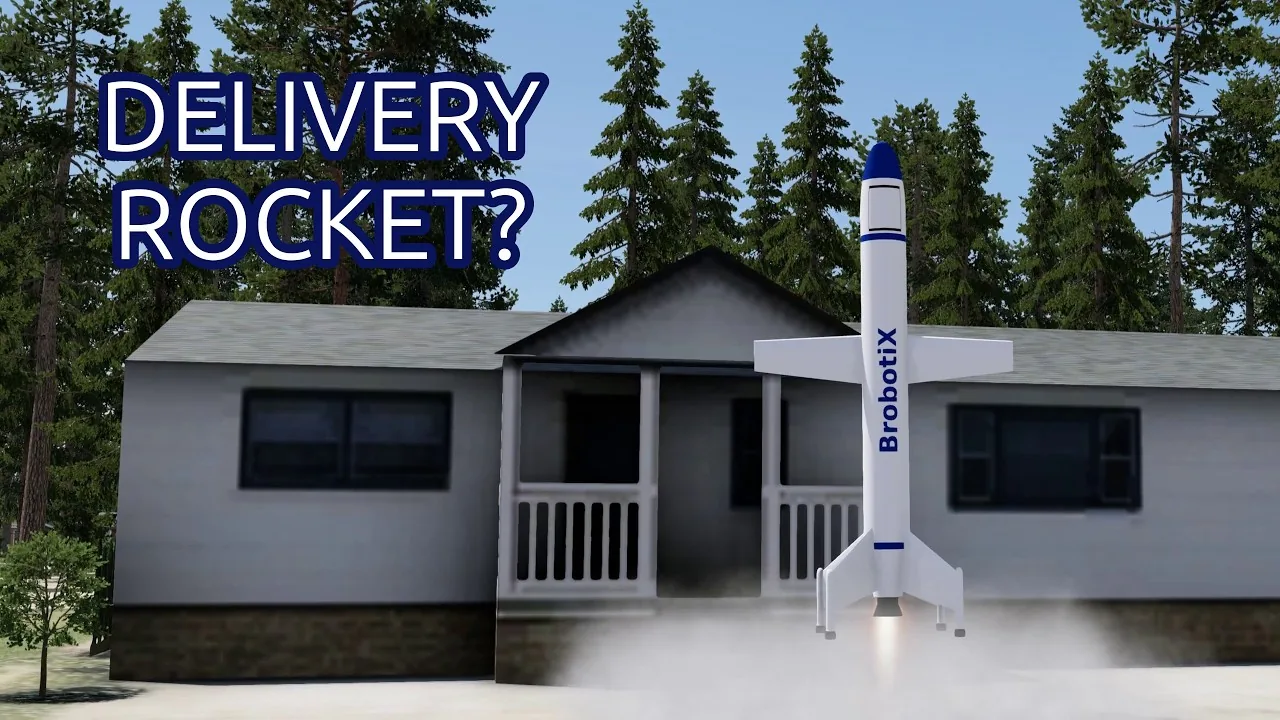
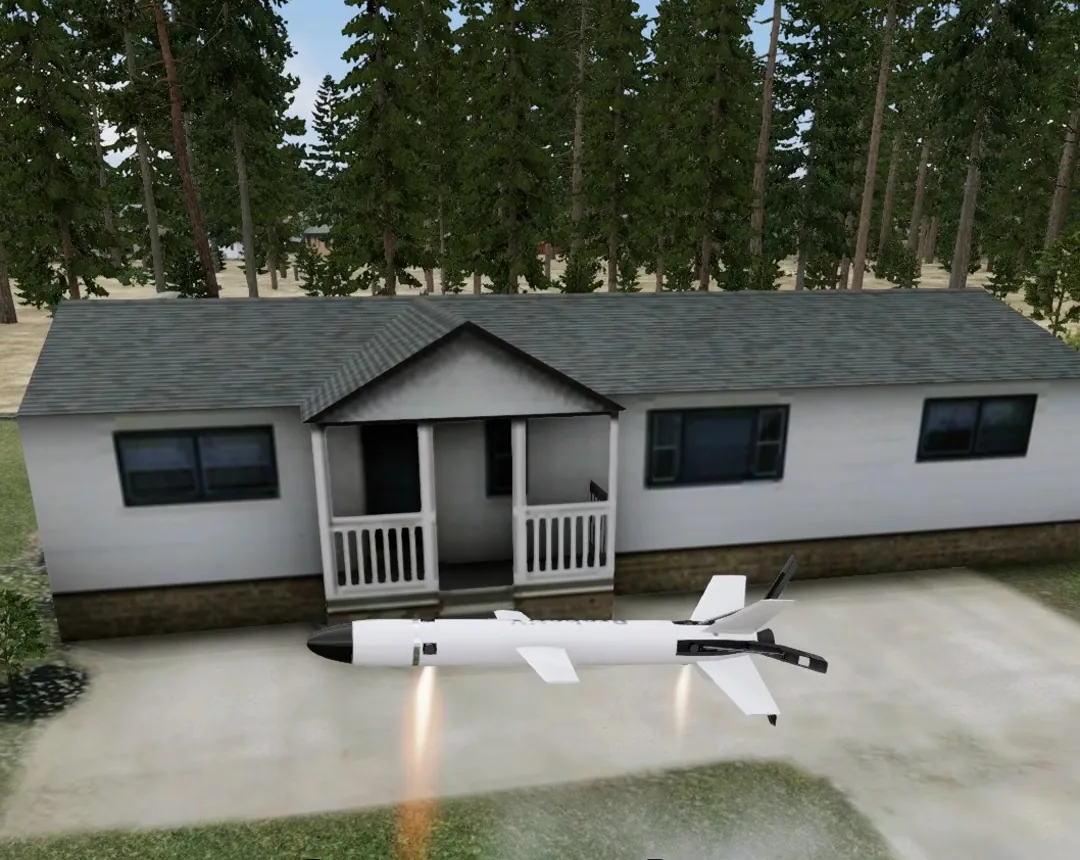
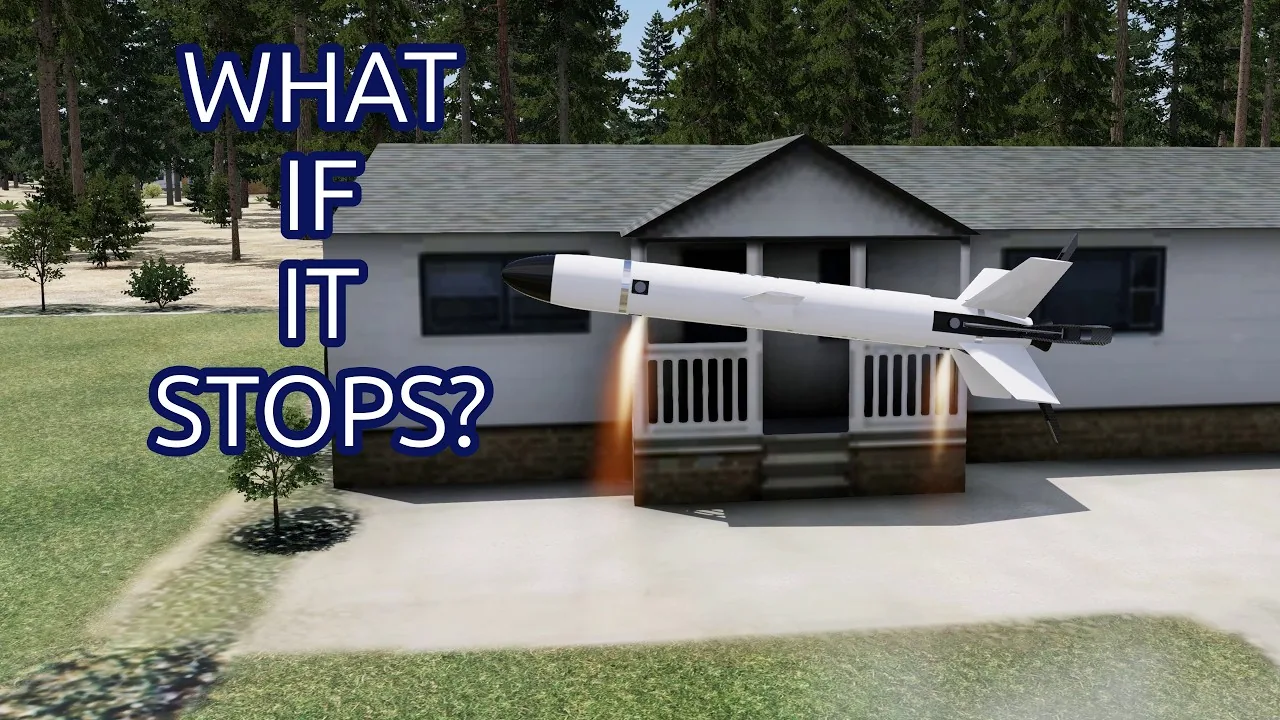
Dart, a white delivery rocket, hovering level in front of a house on two thruster flames.
Dart turns level on its thrusters in a front yard. A simulation with real physics.

Dart and Swift

Our delivery rockets fly on our channel. Each one is a simulation with real physics, flown by our own autopilots.

Play “Could a rocket bring your next parcel?”

Swift

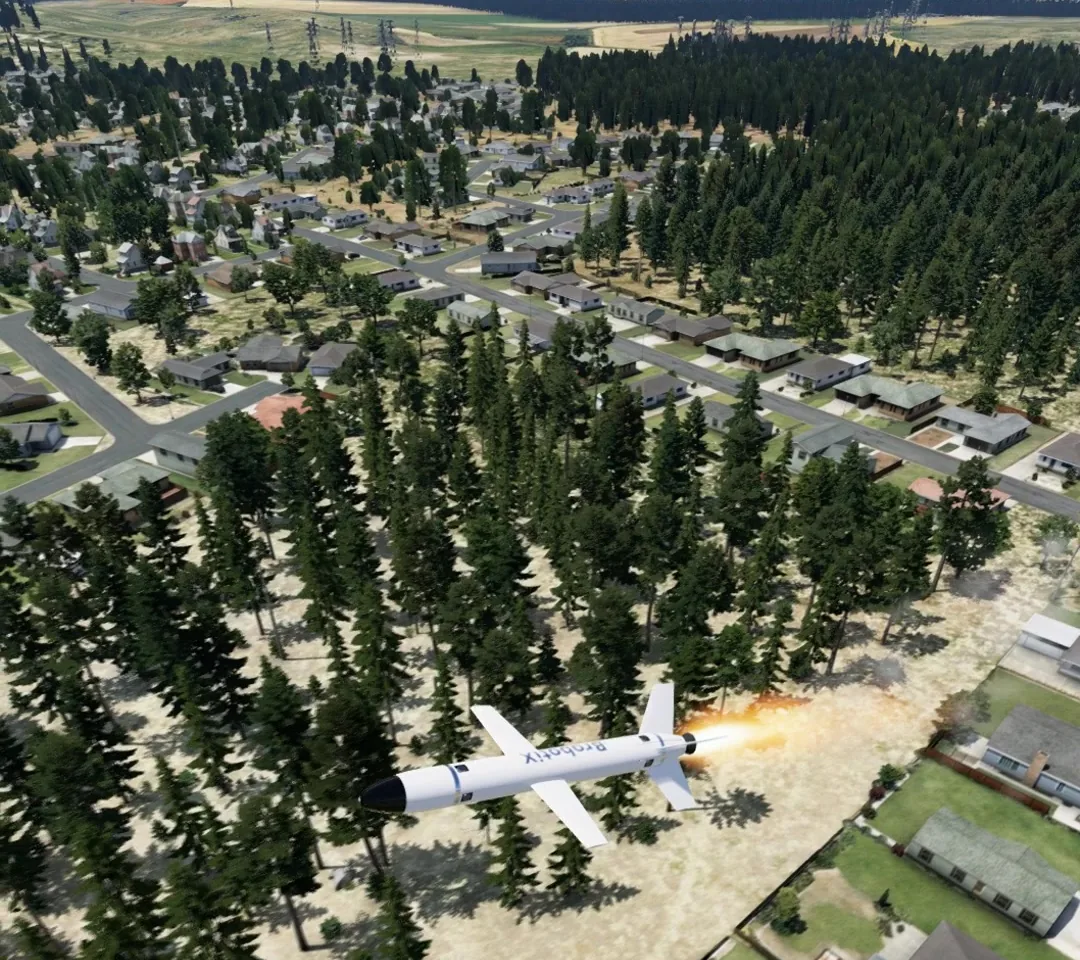
A winged delivery jet that lands on its tail

Swift cruises on its wings, then pitches up and lands upright on its tail at the address. It steers only by swivelling the nozzle of its jet engine, and lowers the parcel on a cable from a hatch below its nose.

Robots we build

Three Brotor 330 quadrotors with red arms, white propeller guards and front depth cameras, on a bench.

Brotor 330

Research quadrotor

We designed, built and flight-tested Brotor 330 from scratch in three months. Each one carries an onboard computer and a depth camera, and a fleet of them flies together in formation.

“Fly to the green barrel!”

Fly-by-Voice

Say where to go, and Brotor 330 flies there. A vision language model, an AI that reads both pictures and words, finds the goal you named in what the camera sees. A planner then flies the drone to it through clutter, with safety that it can prove for every step, not just hope for.

We showed it in real flight tests, avoiding obstacles and crossing complex courses.

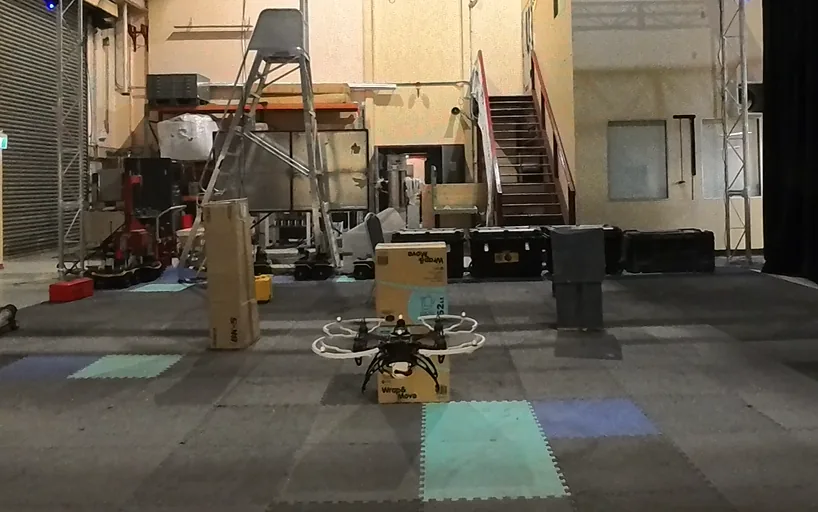
A Brotor quadrotor in an indoor flight test hall among boxes and barrels.
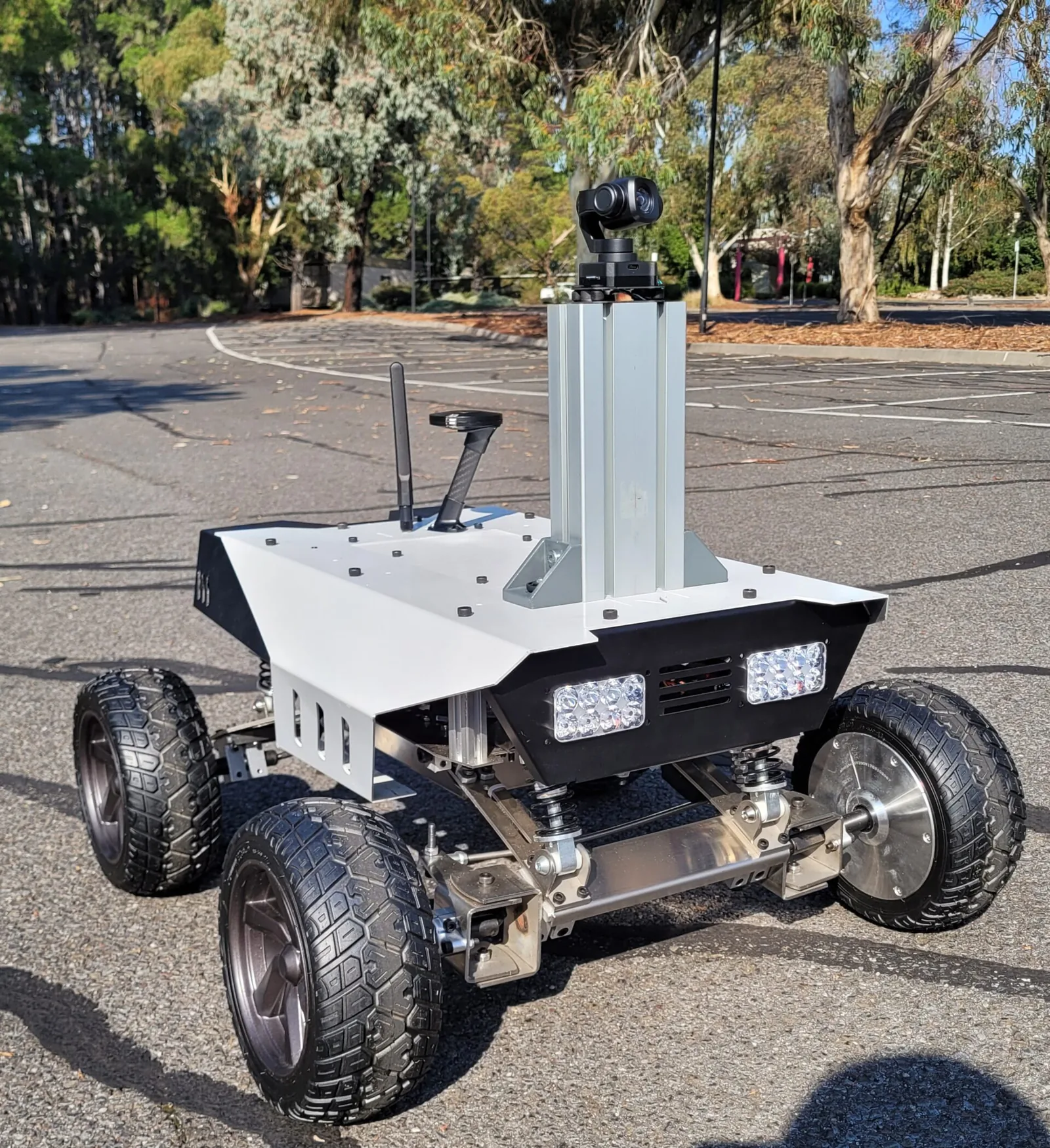
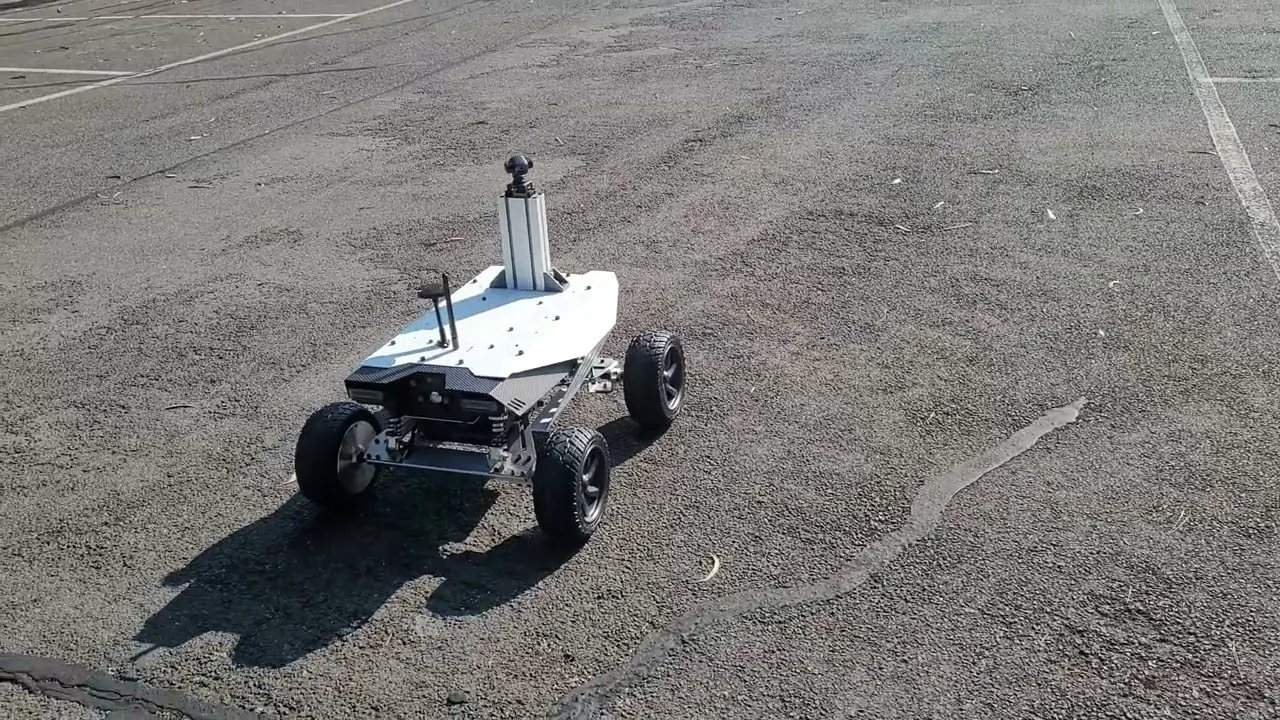
Brover, a four-wheeled ground robot with a white body and a camera mast, on a car park.

Brover

Intelligent ground robot

Brover carries depth cameras, a thermal camera and laser range finders. It maps what is around it to stay safe, and it understands what it sees, so it can decide what to do next in busy, changing places. You talk to it, it suggests what to do, and it waits for a person to approve each action on a physical switch.

Supported by an NVIDIA Academic Grant: 32,000 hours of A100 graphics-card computing on NVIDIA Brev and two Jetson AGX Orin developer kits for the robot itself.

Where Brover works

  • Farms, forests and wildlife. Checks plants for disease where a drone cannot reach, and tracks animals with thermal imaging where a drone's noise would scare them.
  • Security. Patrols a perimeter day and night and raises an alarm when it sees a threat.
  • Border protection. Finds people crossing on foot with thermal imaging and range finding, and tells the authorities where they are.
Play “Introducing Brover”

Follow BrobotiX

Work with us

Tell us about the robot you need, from wildlife surveys to plant disease checks.

info@brobotix.com.au

Charnwood ACT 2615, Australia